
Electropolishing and passivation for data center liquid cooling components
Industry guidance for data center liquid cooling loops, including the Open Compute Project’s, names cleaning, pickling, and passivation for stainless parts. Electropolishing is an optional further step for a smoother, easier-to-clean surface. Olymco, Inc. is in Canton, in Northeast Ohio, and provides passivation, plus electropolishing on 300 series stainless. Send the drawing and its treatment callout.
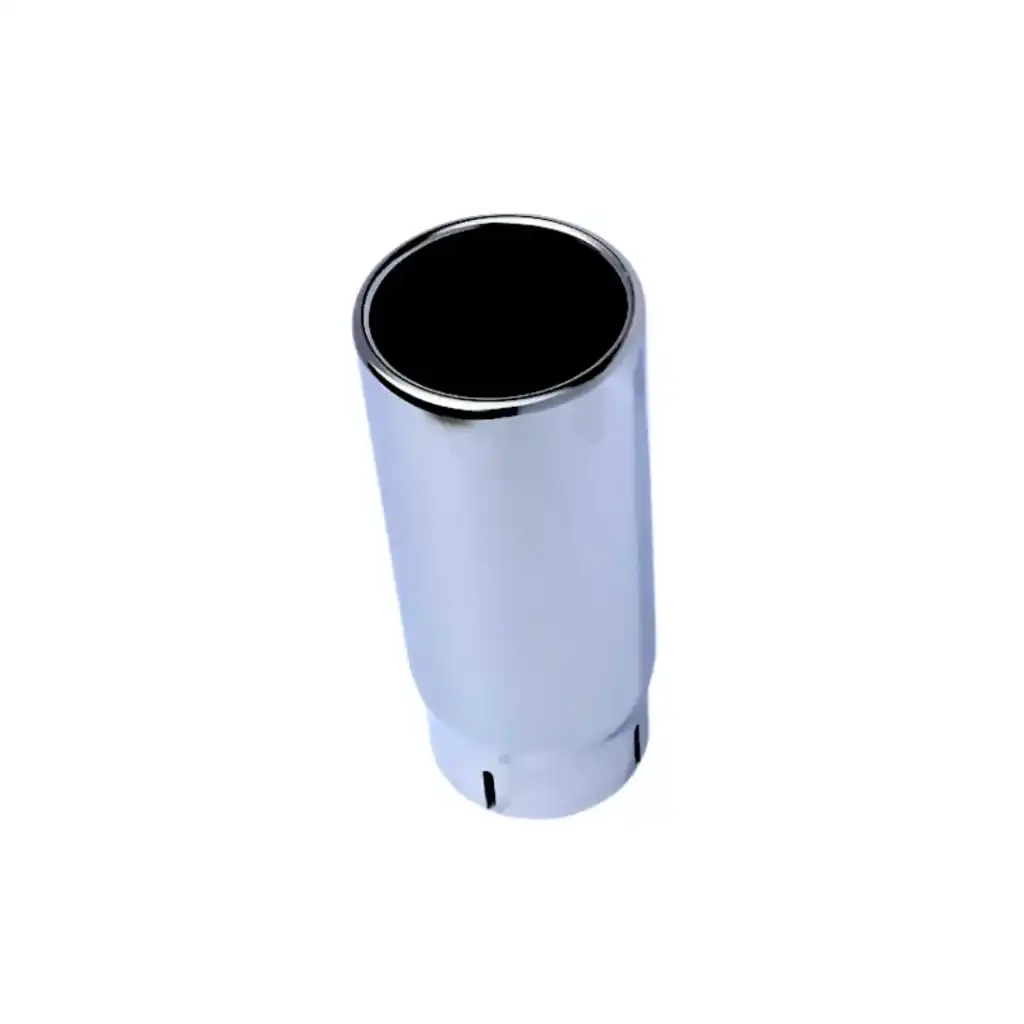
Do liquid cooling components need electropolishing or passivation?
For stainless liquid cooling pipework, the Open Compute Project’s row-manifold guideline expects it to arrive with internal surfaces cleaned and pickled to a published standard (page 7), and equipment makers specify cleaning and passivation. Electropolishing is an optional step beyond them, for a smoother surface that is easier to clean. The drawing or customer specification decides which applies.
Stainless resists corrosion because chromium at the surface forms a thin oxide film. Machining, grinding, and forming smear free iron into that surface, and welding leaves heat tint. Pickling takes off scale and heat tint. Nitric passivation then dissolves the free iron in an acid bath so the passive film can re-form, and it barely changes dimensions or appearance.
Electropolishing changes the surface itself. The part becomes the anode, and metal dissolves fastest at the peaks, so the surface flattens. It takes off micro-burrs and the disturbed layer that machining and grinding leave behind, and on stainless it leaves a chromium-enriched surface. A 2020 peer-reviewed review in the journal Materials found electropolished austenitic stainless, the family that includes 304/304L and 316/316L, more resistant to corrosion than raw, pickled, or mechanically processed samples, and reported that electropolished surfaces are easy to clean (Łyczkowska-Widłak, Lochyński, and Nawrat, 2020).
When would a cooling component maker choose electropolishing?
Choose it when the drawing or the customer calls for it, or when you want a smoother stainless surface that is easy to clean. A published standard also covers passivating stainless steel by electropolishing. Whether that satisfies your passivation callout is set by the specification itself, so send it with the part.
Two cautions. Electropolishing removes metal, so sealing and mating faces need an allowable removal and final dimensions on the drawing. And it does not always leave a smooth surface: the same review records orange peel and streaks as known results, and defects deeper than the removal stay, where a brighter surface can make them easier to see.
Which liquid cooling parts are candidates?
The candidates are the stainless parts in the loop. An Open Compute Project coolant guideline prefers 304L, 316L, or higher grades (page 21). Electropolishing at Olymco is published for 300 series stainless, so name the exact grade. Either treatment can apply to these stainless part types:
- Row and rack manifolds
- Technology cooling system (TCS) tubing, piping, and spools
- Fittings and couplings
- Valve bodies and valve components, before assembly
- Strainer and filter housings
- Stainless wetted components for coolant distribution units (CDUs), before assembly
- Custom machined 300 series stainless parts
Three things are not candidates as they stand: cold plates, which are usually copper or aluminum rather than stainless; brazed plate heat exchangers; and assembled valves or couplings with seals or other metals inside. Ask before sending another alloy or a mixed-metal assembly.
Can the inside of a manifold, tube, or spool be treated?
On a manifold, tube, or spool, the coolant touches the inside. An immersion passivation bath reaches internal surfaces the solution can flow through and drain from. Electropolishing a bore needs a cathode placed inside it, so internal work starts with a feasibility review against the drawing. Mark which internal surfaces carry a requirement, with their lengths and inside diameters.
If only the outside is electropolished, the bore the coolant runs through stays as it arrived. Check that the callout on the print says which surfaces it covers.
What should a cooling component maker send for a quote?
Start with the treatment your drawing or customer specification calls for: passivation, electropolishing, or both, and the specification it names. Then give the six details below, plus any cleanliness or packaging requirement on the print. If a drawing exists, say so in the request, and Olymco will tell you how to send it.
Six details to specify for a quote
- Material and substrate
- Send the exact stainless grade, such as 304/304L or 316/316L, and its condition. Electropolishing is published for 300 series only.
- Finish variant
- Name the treatment the drawing or customer specification calls for: passivation, electropolishing, or both.
- Part size limits
- Send dimensions and weight, and mark which internal surfaces carry a requirement.
- Tolerances
- Give the allowable removal and final dimensions on sealing and mating faces.
- Volume range
- State the quantity per lot.
- Minimum order
- Confirm the minimum order for the job.
Where is the shop, and how do parts get here?
Olymco, Inc. has one plant, at 2125 Harrison Avenue SW, Canton, OH 44706, in Stark County, in Northeast Ohio. Parts arrive by freight. For parts coming from outside the area, give the shipping origin and the return destination with your request, and confirm freight and receiving before sending material.
Olymco’s published shipping services include freight arrangements, pre-printed labels, and direct shipment to a third party. Get contact details and directions.
AEP Ohio, the electric utility, reported 17,861 megawatts of contracted data center projects as of February 2026, set to come online in stages through 2035 (AEP Ohio release, February 13, 2026).
Questions buyers ask about this process
Is passivation enough for a stainless liquid cooling manifold?
Check the drawing first. Open Compute Project guidance and equipment makers’ published specifications name cleaning, pickling, and passivation for stainless loop parts, and electropolishing is an optional step beyond that. If your drawing or your customer’s specification names passivation only, that is the requirement. If it also names electropolishing, send both callouts.
Does electropolishing count as passivation?
It can. Electropolishing leaves a passive surface on stainless, and a published standard covers passivating stainless steel by electropolishing. Whether it satisfies your callout depends on the specification your drawing names, so send that specification with the part.
Can copper or aluminum cold plates be passivated or electropolished at Olymco?
Not by these processes. Cold plates are usually copper or aluminum, and passivation as described here is a treatment for stainless steel. Olymco’s published electropolishing scope is 300 series stainless. The candidates are the stainless parts of the loop, such as manifolds, tubing, and fittings.
Can welded spools with heat tint be treated?
Heat tint and weld scale will not come off in a passivation bath. They need pickling or other preparation first. Describe the welds and their condition in the request, so the preparation is part of the review.
Will electropolishing change sealing-face dimensions on a fitting?
Yes, slightly. It removes metal from every surface it reaches, and on a diameter the change counts on both sides. Removal is set for the alloy, geometry, and finish requirement, so put the allowable removal and final dimensions for sealing and mating faces on the drawing.
Related finishes
Get a quote for your part
Have the six details above ready when you request a quote.