Electropolishing
Electropolishing removes a controlled layer of metal from stainless steel to smooth, brighten, and clean it. Olymco, Inc., in Canton, Ohio, provides the process for 300 series stainless only. Send the stainless grade and surface finish requirement with your part details.
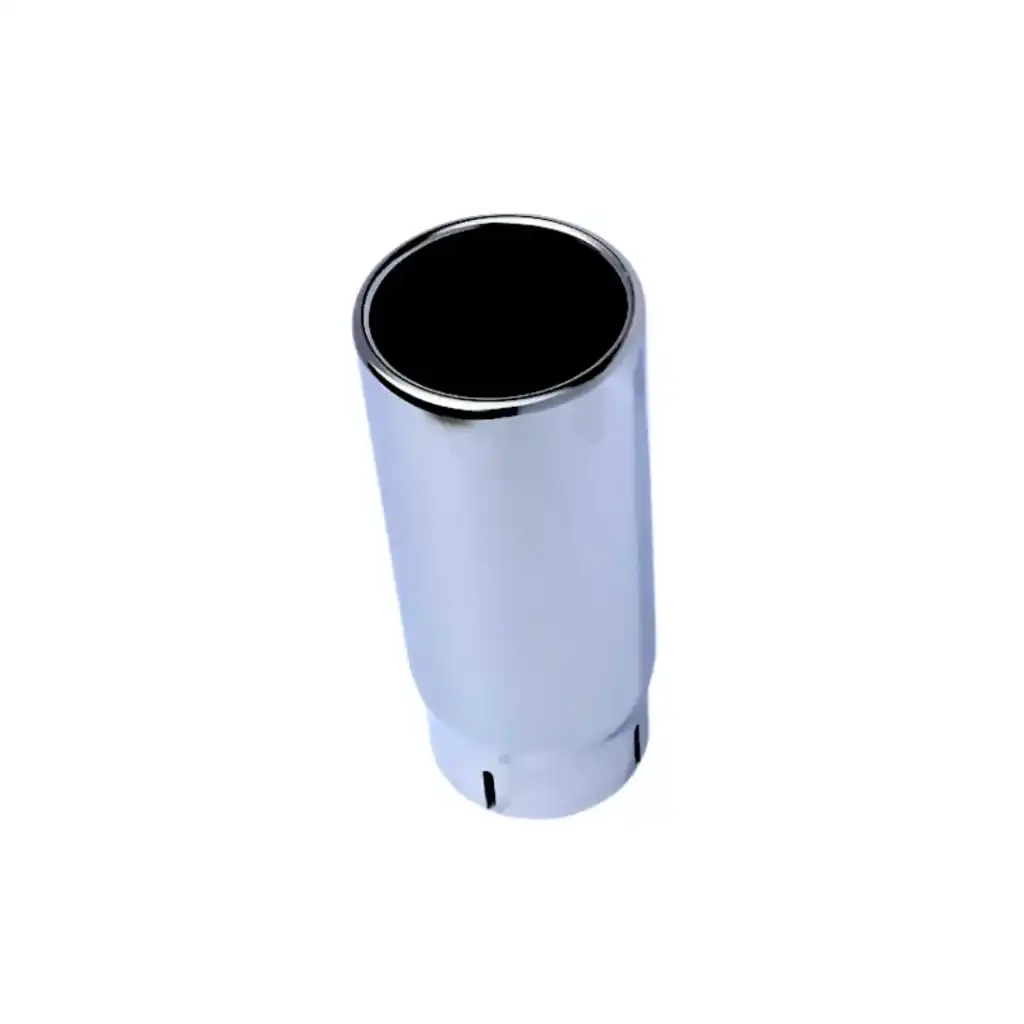
Which stainless parts call for electropolishing?
Stainless components used in fluid handling, processing equipment, and instruments may call for electropolishing to meet a surface finish requirement. Submit the drawing and acceptance criteria for your part, along with any regulatory requirement it has to meet.
Electropolishing is an electrochemical removal process. The incoming surface condition and part geometry affect the result, so a finish target needs to be considered alongside the material that can be removed.
Describe whether the critical surface is outside the part, inside a passage, or both. Deep recesses and internal features need specific review. Do not assume an exterior finish requirement covers every surface of an assembly.
Describe machining marks, welds, scale, and heat tint on incoming parts, and any separate passivation requirement. If drawings are available, call (330) 452-2300 to arrange how to share them.
Six details to specify for a quote
- Material and substrate
- 300 series stainless steel. Send the exact grade and condition.
- Finish variant
- State the required surface finish, with the target roughness if your print specifies one.
- Part size limits
- Submit dimensions and describe critical internal features and passages.
- Tolerances
- Identify the allowable material removal and the final dimensions.
- Volume range
- State the quantity per lot.
- Minimum order
- Confirm the minimum order for the job.
Is electropolishing used on liquid cooling components?
It can be, as an option. Industry guidance for liquid cooling loops, including the Open Compute Project’s, names cleaning, pickling, and passivation for stainless parts, and electropolishing is a further step for a smoother surface that is easier to clean. The drawing or customer specification decides which applies. See electropolishing for data center liquid cooling components.
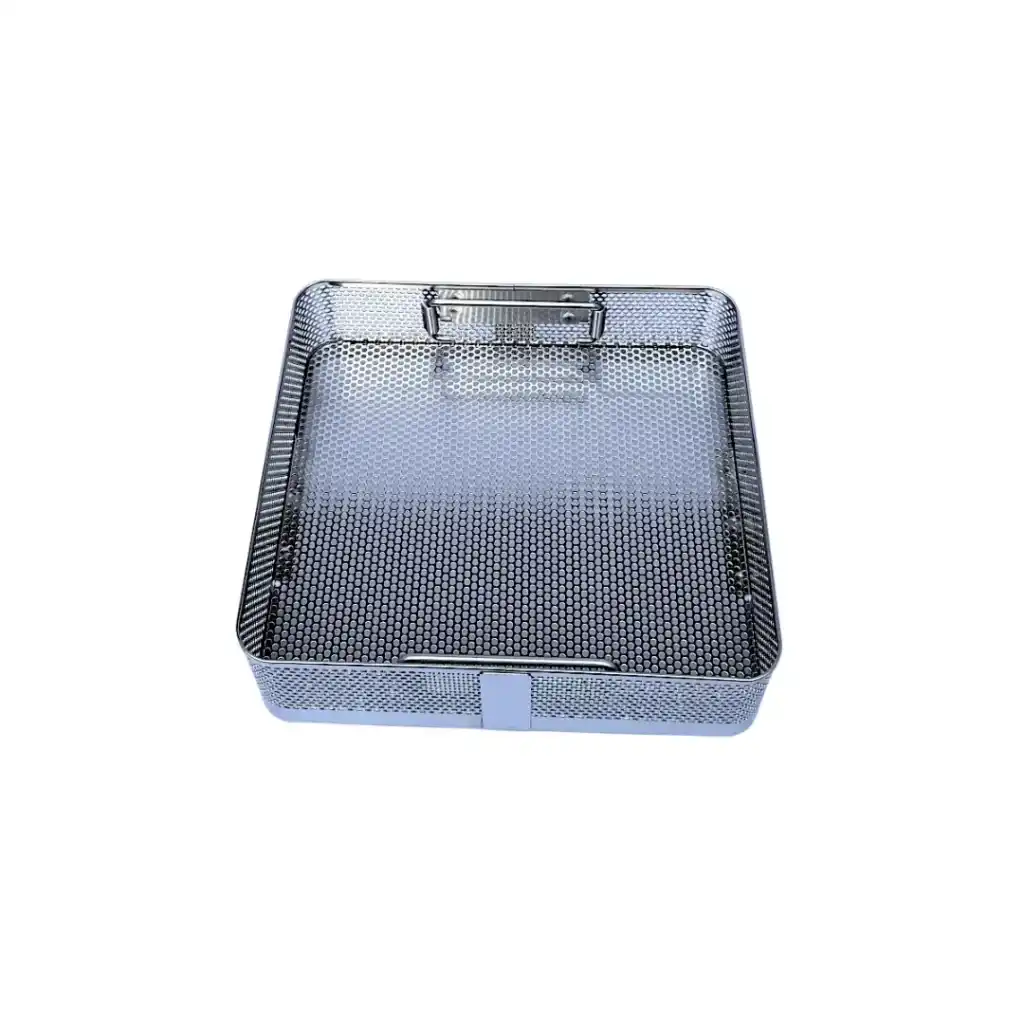
What the process looks like
Questions buyers ask about this process
How much material will electropolishing remove?
Removal needs to be established for the alloy, geometry, and finish requirement. Provide the final dimensions and allowable removal, especially on mating surfaces. No single removal allowance should be assumed for every job.
Can electropolishing remove deep scratches?
Do not count on it to erase deep defects. Scratches, pits, or weld marks may remain after the surface is brightened. Describe their condition so any preparation can be considered in the quote.
Can internal bores or passages be electropolished?
Internal surfaces need a separate access and tooling review. Identify their dimensions and which areas carry a finish requirement. Confirm feasibility before treating them as equivalent to an outside surface.
Does electropolishing satisfy a passivation callout?
That depends on the drawing and governing specification. Provide both requirements and ask Olymco to confirm the required process and testing. See nitric passivation when that treatment is specified.
Can Olymco electropolish stainless outside the 300 series?
The published scope is 300 series stainless. Identify a different grade before requesting or shipping work and ask whether the requirement can be addressed. Do not assume that all stainless grades follow the same process.
How should I specify the finished surface?
Give the target roughness, measurement method, and locations where it applies, if these are defined. Also describe the incoming finish and any appearance reference. A request for a shiny surface alone leaves acceptance unclear.
Related finishes
Get a quote for your part
Have the six details above ready when you request a quote.