
Decorative chrome plating
Chrome plating, also known as chromium plating, is a process of electroplating a thin layer of chromium onto a metal object. Decorative chrome puts that layer over a polished nickel underplate for a bright finish. Olymco, Inc. lists it among the finishes at its Canton, Ohio plant. Send the finish specification with your part details.
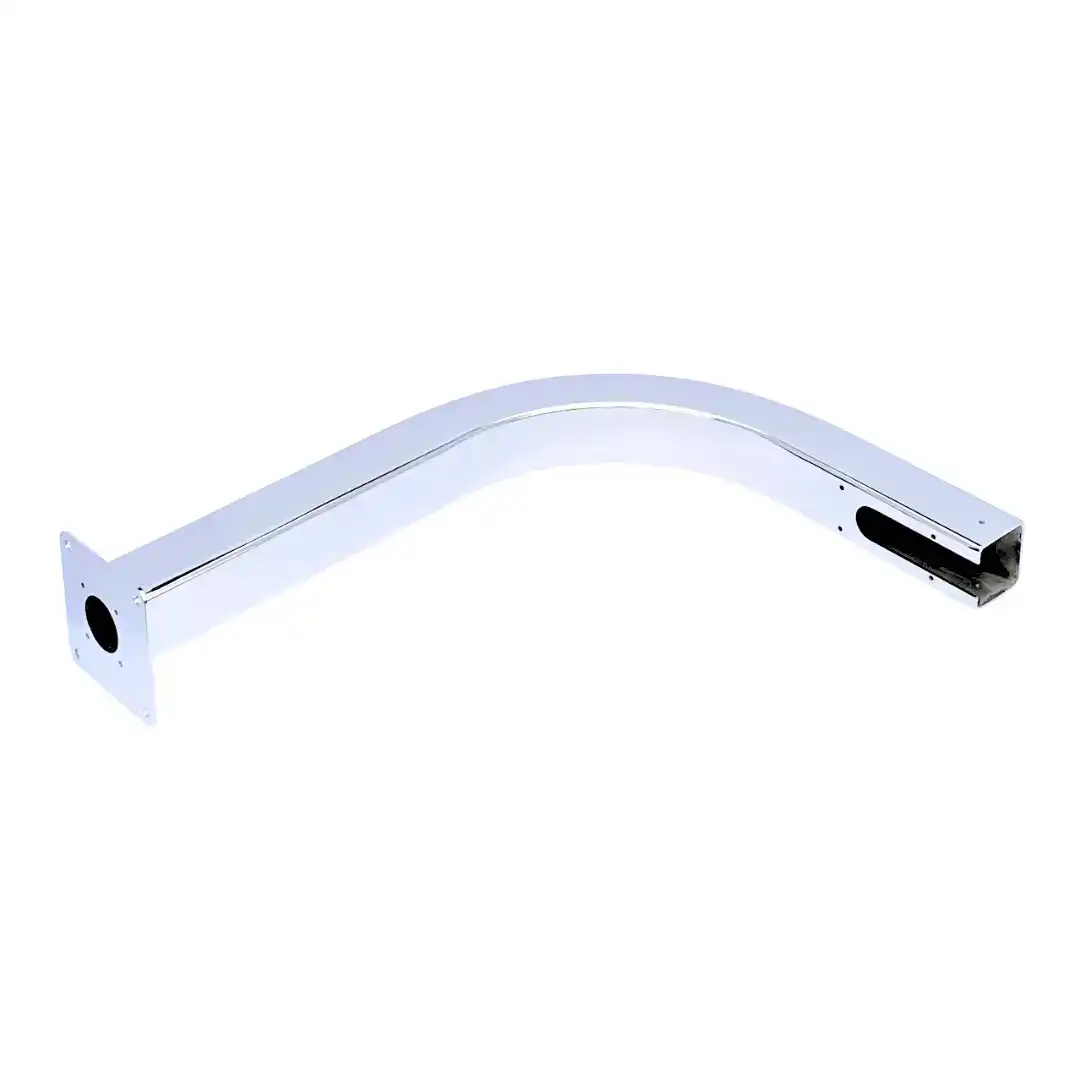
What parts get decorative chrome?
Typical decorative chrome applications include vehicle trim, appliance hardware, furniture components, and retail display parts. The common requirement is a visible metal surface with a bright finish.
Suitability for your part depends on its alloy, surface condition, geometry, and finish specification. Include its intended use, especially any outdoor exposure or corrosion requirement. If the part is a wear surface rather than a show surface, see how hard chrome differs from decorative chrome.
The finish combines surface preparation, an underplate, and a thin chromium top layer. The specified coating system and the condition of the base metal both matter to the result.
Olymco has an in-house polishing department alongside its plating lines. Identify the surfaces that will be visible and whether the parts will arrive polished, so surface preparation can be included in the discussion.
Describe the incoming surface condition, acceptable rack contact locations, and areas that must stay unplated, such as threads or sealing faces.
If a drawing or appearance reference is available, mention it in the quote request. Call (330) 452-2300 to arrange how to share it.
Six details to specify for a quote
- Material and substrate
- Send the exact alloy and the incoming surface condition, including whether the part is cast or fabricated.
- Finish variant
- Send the required appearance and the finish specification, including any nickel underplate.
- Part size limits
- Send overall dimensions, weight, and geometry. Published tank length is not an accepted part length.
- Tolerances
- Identify coating thickness and every dimension that has to stay within tolerance.
- Volume range
- State the quantity per lot and whether the order repeats.
- Minimum order
- Ask about the minimum order for your part.
What the process looks like
Swipe for more.
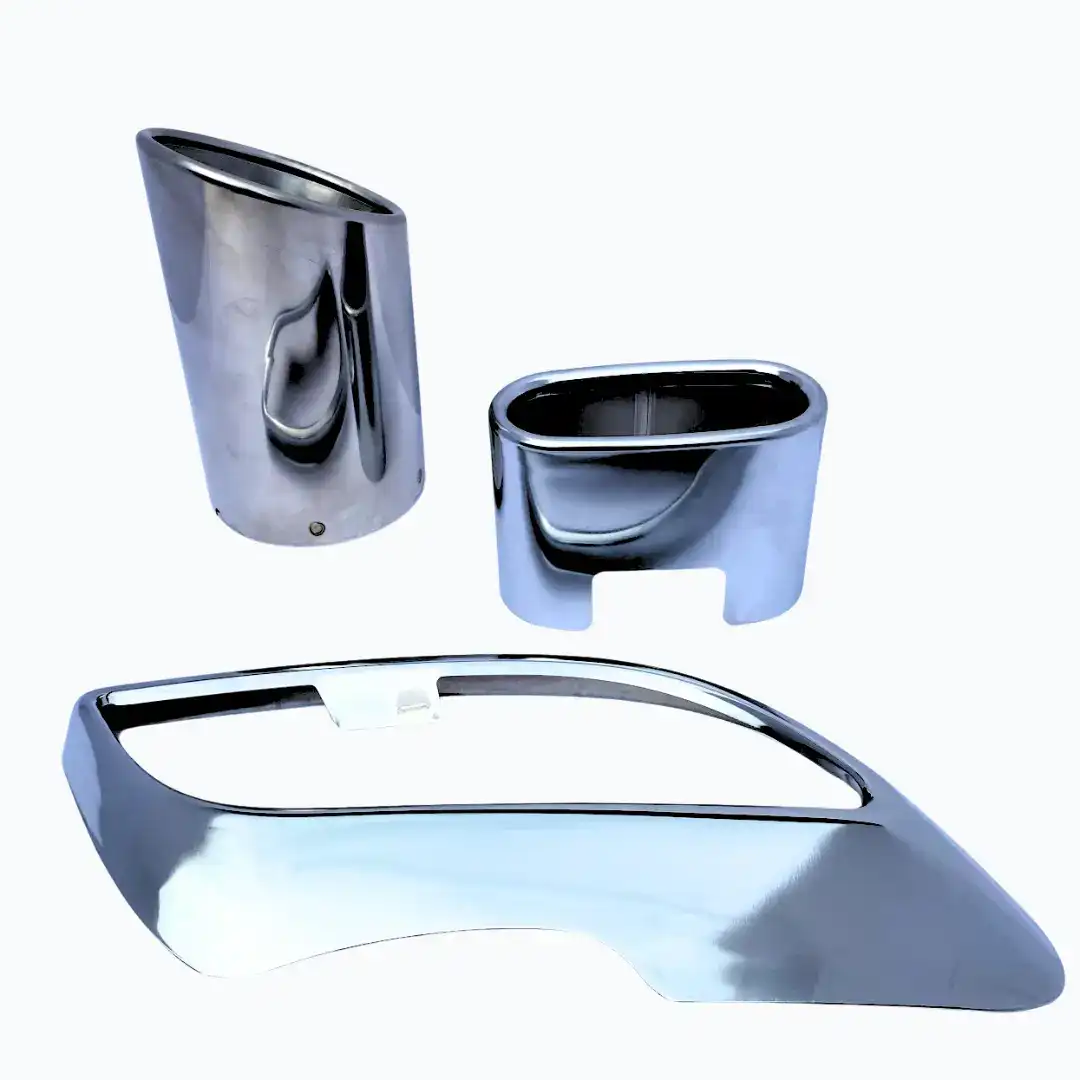
Decorative chrome on trim parts. 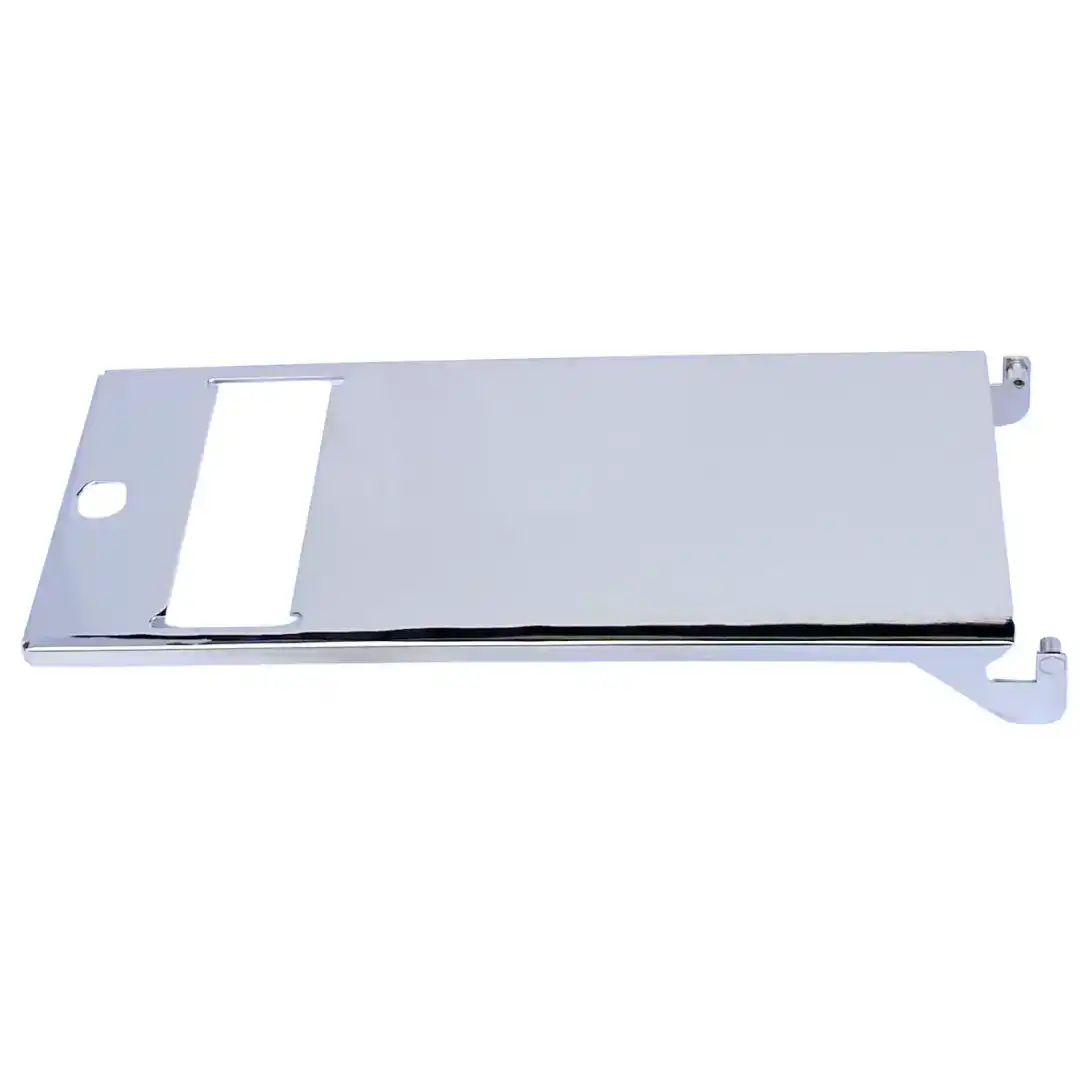
A display panel with a reflective finish.
Questions buyers ask about this process
Will chrome plating hide scratches or casting porosity?
Do not count on plating to hide them. Scratches, pits, and casting defects can remain visible through a bright finish. Describe the incoming condition and the appearance you need so preparation requirements can be reviewed before quoting.
Can Olymco plate my alloy?
Material acceptance needs confirmation for your part. Send the exact alloy, whether it is cast or fabricated, and any existing coating.
Is decorative chrome the same as hard chrome?
No. Decorative chrome is primarily selected for appearance. Hard chrome is used for wear surfaces and dimensional build. If your print specifies hard chrome, do not substitute decorative chrome based on the appearance alone.
Is decorative chrome suitable for outdoor parts?
That depends on the specified coating system and exposure. The nickel under the chrome carries nearly all of the corrosion protection, and a duplex nickel system is the usual choice where outdoor corrosion is a requirement. Describe the environment and provide any required corrosion test and acceptance criteria for review.
Will a 12-foot part fit the plating line?
It needs a fit review first. Twelve feet is the published length of the longest tank, and racking and clearance take up part of it. Send the complete dimensions, geometry, and weight.
Can threads or sealing faces be left unplated?
Identify every surface that must remain unplated, along with critical dimensions and tolerances. Ask Olymco to confirm masking feasibility for those areas before ordering. Also mark where rack contact is acceptable, particularly on parts with visible surfaces.
Related finishes
Get a quote for your part
Have the six details above ready when you request a quote.